
Sample chain of custody
Clinical samples require accountable handover and reliable sample identity throughout the workflow.
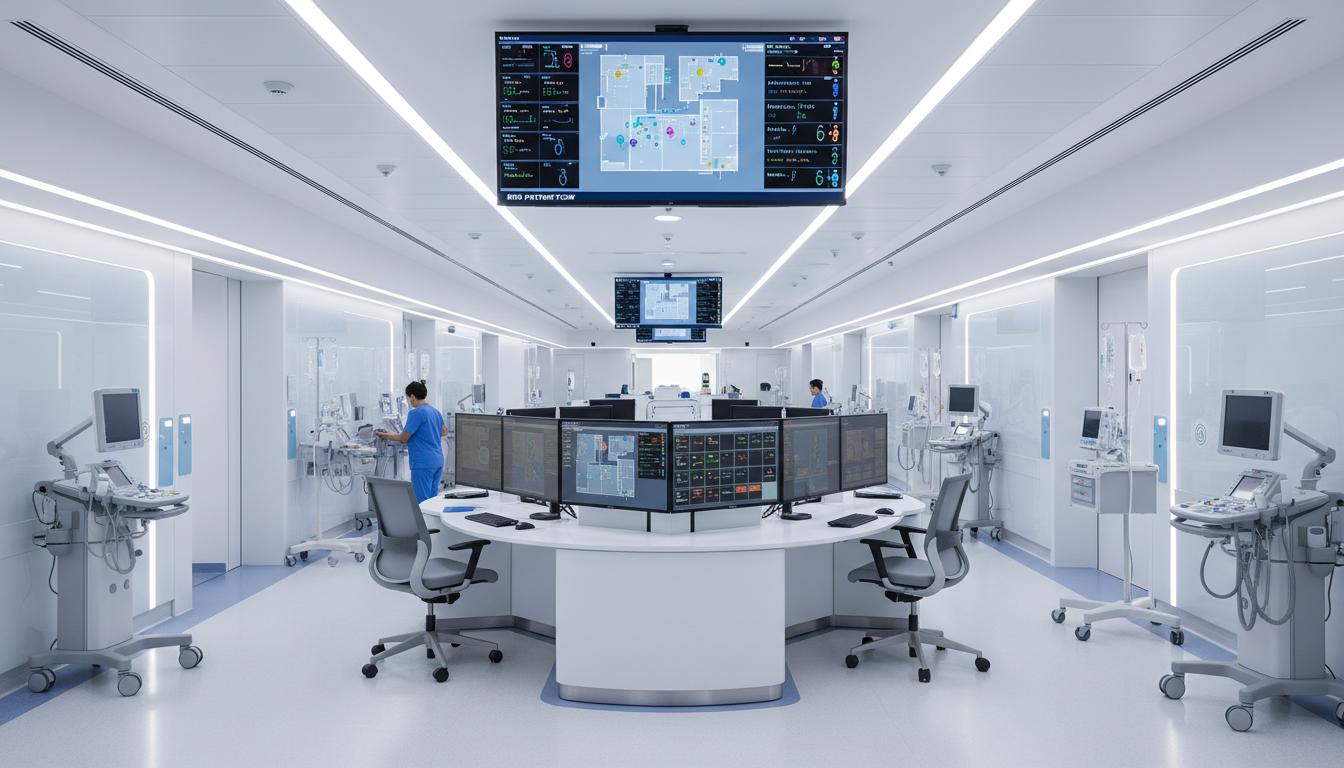
Medical work stays technical and partner-led, with clear local responsibilities for North America.
RFID の価値は、実物の検体を正しいイベント、担当者、場所、次の処理へ結び付けることにあります。
Clinical samples require accountable handover and reliable sample identity throughout the workflow.
Laboratory workflows often require multiple sample or container identities to be verified together rather than one barcode at a time.
Freezers, autoclaves, chemicals, and transport conditions create tag durability requirements.
LIS, laboratory automation, barcode systems, and local data-interface responsibilities must be handled explicitly in any evaluation.
The technical design should follow the controlled workflow: registration, rack verification, transport, storage, handover, exception review, and data exchange, with validation and local ownership defined by the project side.
01
Capability pattern for sample chain-of-custody, registration, transfer, storage, and exception workflows.
02
HF readers, modules, and controlled workstations can support batch verification when containers or racks need grouped confirmation.
03
Project-specific integration review for LIS, laboratory automation, barcode systems, and local data-interface responsibilities.
Workstation layout, sample containers, rack geometry, operator steps, and cleaning requirements provide the basis for reader, antenna, and integration decisions.
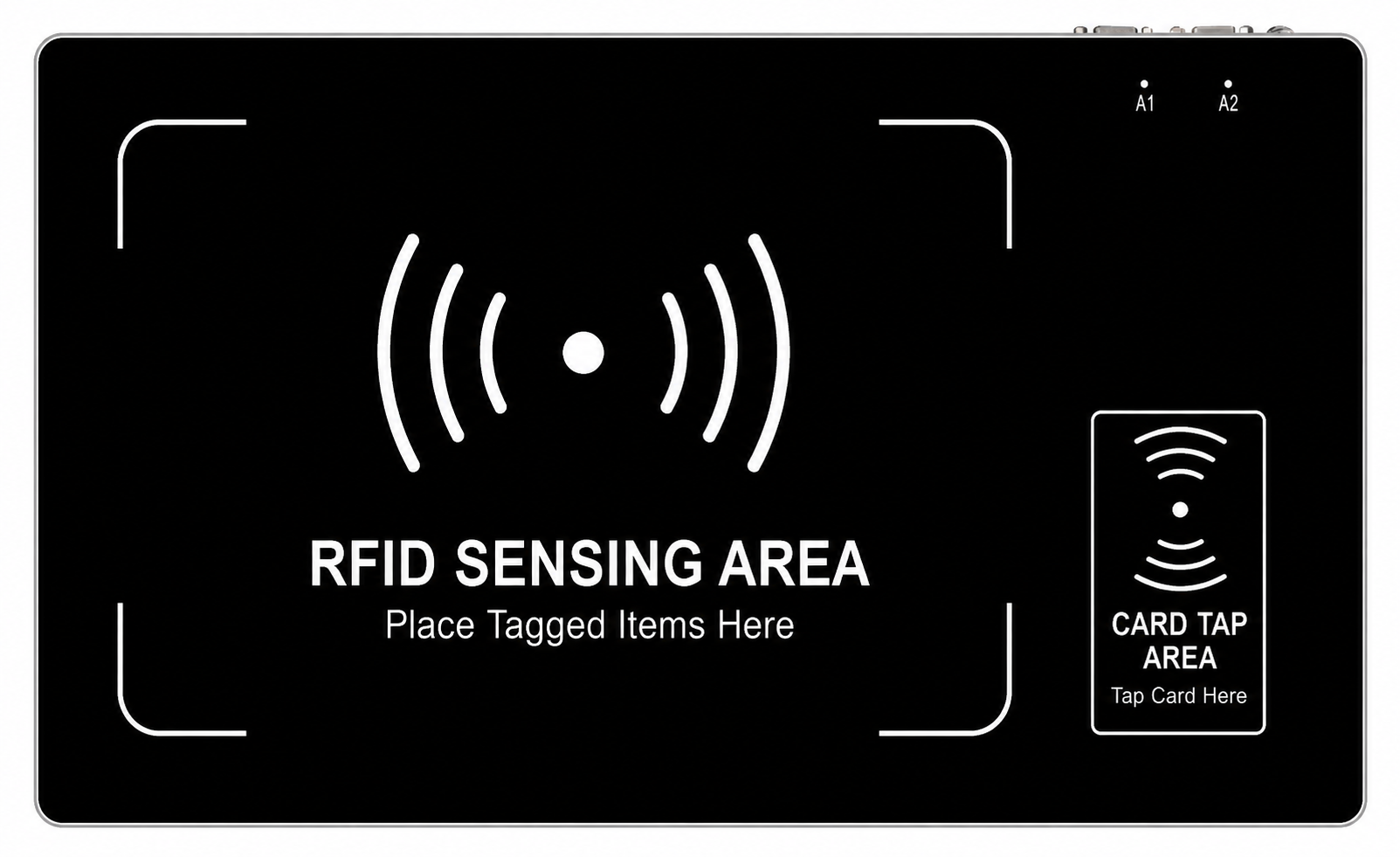
Desktop HF readers are a practical starting point for controlled sample, rack, card, or container verification workflows.
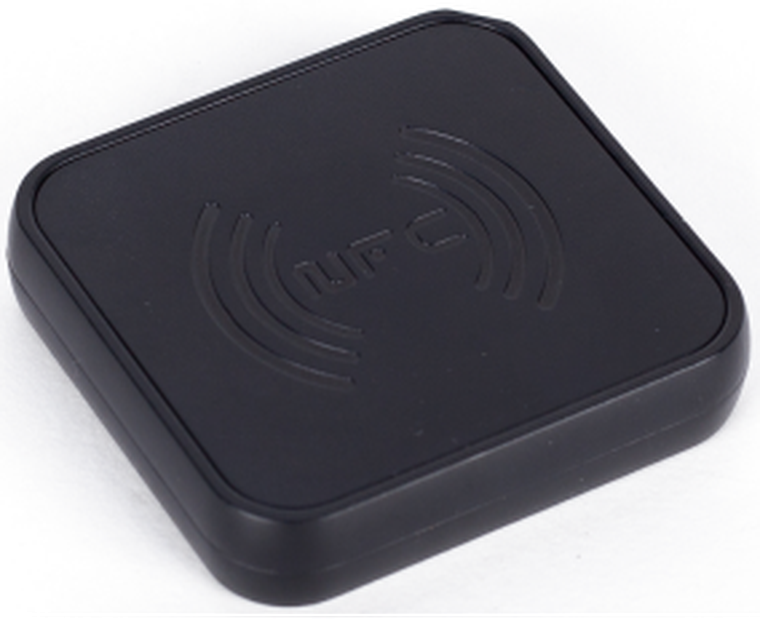
Compact HF readers can support custom racks, cabinets, and laboratory workflow equipment when integration ownership is clear.
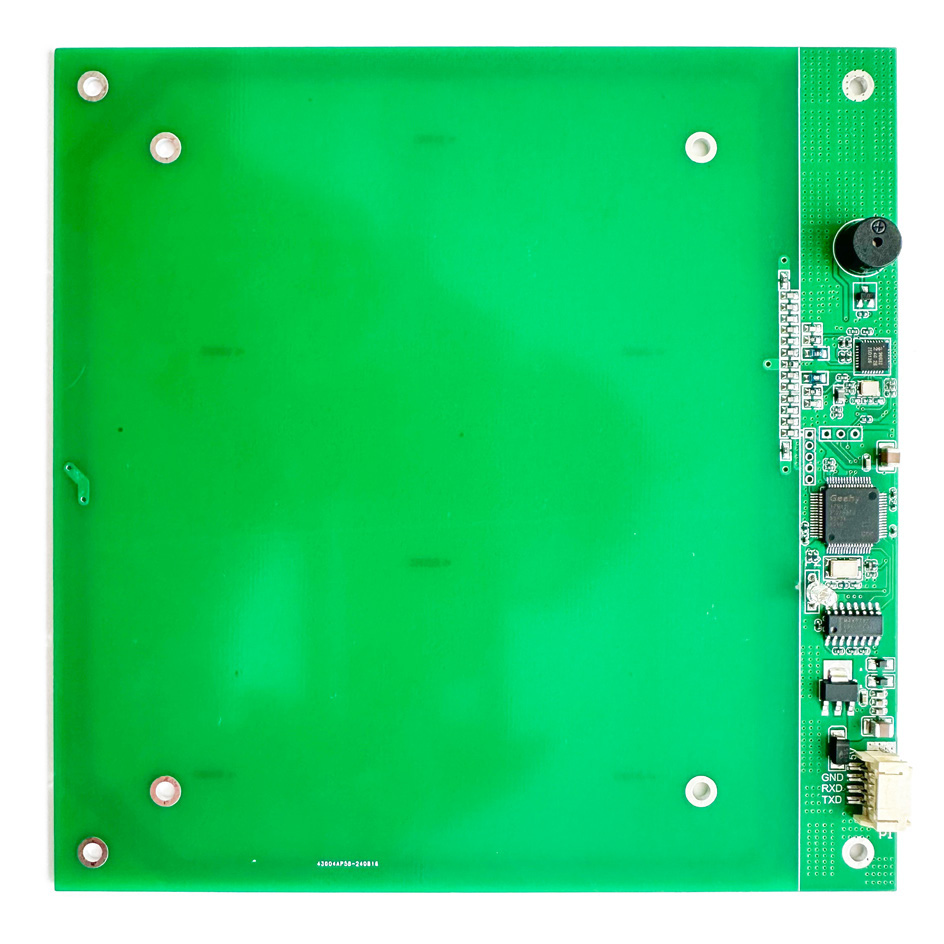
Module selection depends on enclosure limits, power, host interface, validation needs, and local partner responsibilities.
These products are technical references rather than a complete clinical system. Final selection depends on workflow validation, enclosure design, local interfaces, privacy requirements, and project-side regulatory review.
Desktop HF reading for controlled workstation, sample, rack, or card verification workflows.
候補を絞る前に確認
サービスフロー、設置スペース、周波数、インターフェース、現地サポート、購入者の役割を確認します。
Small embedded HF reader for custom racks, cabinets, laboratory devices, or workflow equipment.
候補を絞る前に確認
筐体、ホストインターフェース、電源、プロトコル、ファームウェア、認証条件を確認します。
Module option for custom integration where physical enclosure, power, and host interface are defined by project.
候補を絞る前に確認
筐体、ホストインターフェース、電源、プロトコル、ファームウェア、認証条件を確認します。
Useful reference point for read-zone discussions when sample racks or assets require antenna planning.
候補を絞る前に確認
リーダーの組み合わせ、シールド、偏波、取付角度、タグ方向、設置形状を確認します。
公開実績
タグ、リーダー、引き渡しポイント、イベントルール、臨床システムとの連携範囲を定義します。
A process map, sample and rack details, verification steps, interface requirements, and a clear local responsibility model are needed before meaningful technical assessment.
Medical discussions are scoped as capability and engineering review, with local responsibility for privacy, validation, procurement, installation, support, and deployment decisions.
Desensitized Guangzhou Grade-A tertiary hospital workflow background
RFID intelligent specimen-container patent reference scope
HF reader, module, rack, and chain-of-custody workflow inputs
Responsibility checklist for local privacy, LIS, validation, installation, support, and data-interface scope
These materials support partner-led technical evaluation. Privacy readiness, procurement access, validation, installation, support, and deployment responsibility must be confirmed by the project owner.